
Views: 0 Author: Site Editor Publish Time: 2026-07-31 Origin: Site


Integrating a Pulsed Electromagnetic Field device into a clinical or wellness practice requires moving beyond consumer marketing claims. You must evaluate objective clinical utility and practice return on investment. The market remains heavily saturated today. It overflows with low-power consumer mats and aggressively marketed clinical systems. Selecting the wrong device carries real business risks. You might face poor patient outcomes, compliance liabilities, or a sunk capital investment.
We designed this guide to help you navigate these choices confidently. It provides practice owners, physical therapists, and chiropractors an evidence-based, decision-stage framework. You will learn how to properly evaluate technical specifications, operational viability, and supplier credibility before making a purchase. Ultimately, you can protect your practice and ensure better healing pathways for your patients.
Clinical vs. Consumer: Practice environments require higher intensity, varied waveforms, and rigorous durability that standard consumer wellness mats cannot provide.
Specification Matching: The optimal device must offer frequency and intensity controls that align with your specific patient demographics (e.g., acute recovery vs. chronic pain management).
Supplier Vetting is Critical: A reliable PEMF Magnetic Therapy supplier provides not just the hardware, but comprehensive staff training, FDA compliance documentation, and responsive warranty support.
Operational ROI: True cost-to-value is measured by patient throughput, ease of staff delegation, and cash-pay integration, not just the initial purchase price.
Many practitioners initially explore consumer-targeted "biohacking" mats due to their approachable price points. However, these consumer devices consistently fail in high-volume practice settings. They suffer from a significant scalability problem. Most consumer mats utilize cheap internal copper coils. These coils degrade rapidly when subjected to eight hours of continuous daily operation. Furthermore, consumer mats lack sufficient power for deep tissue penetration. They might help a user relax at home, but they cannot effectively target a deep bone non-union or a severe rotator cuff injury.
To ensure practical success, clinics must establish a strict baseline for what qualifies as clinical-grade equipment. We recommend evaluating devices against three non-negotiable success criteria:
Predictable Clinical Results: The device must deliver consistent electromagnetic pulses regardless of patient size or tissue density.
Variable Setting Capabilities: Practitioners need granular control over intensity and frequency to customize treatments for different conditions.
Robust Build Quality: The chassis, applicators, and internal cooling mechanisms must withstand constant daily use without overheating.
You must map these device capabilities directly to your target patient demographics. An orthopedic clinic primarily treating acute injuries requires high-intensity localized applicators. Conversely, a functional medicine practice focusing on cellular health and generalized fatigue will benefit more from full-body mats delivering low-intensity, systemic frequencies. Understanding your primary use cases prevents you from overpaying for unnecessary features.
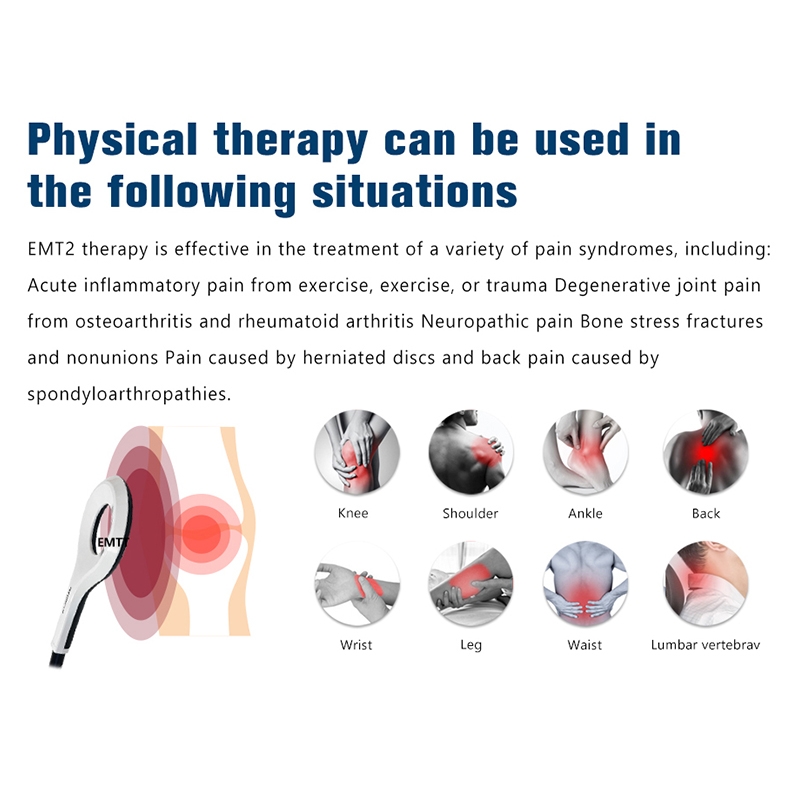
When selecting a PEMF Magnetic Therapy device, technical specifications dictate clinical outcomes. You must look past flashy marketing brochures and examine the raw numbers.
You will face a critical decision regarding intensity. High-intensity systems, often measured in Tesla or thousands of Gauss, induce strong muscle contractions. They excel at treating localized, acute issues like sports injuries or severe joint pain. Low-intensity systems typically operate in the micro-Gauss to milli-Gauss range. They focus on cellular health, sleep optimization, and systemic inflammation reduction.
Evidence Note: Avoid systems claiming "more power is always better." High power can sometimes overstimulate the nervous system. Match the intensity strictly to your targeted clinical pathways. If you treat acute trauma, higher intensity helps. If you treat fibromyalgia, lower intensity often yields better compliance.
Evaluating frequency capabilities ensures the device operates within established, research-supported windows. Most biological resonance occurs between 1 and 50 Hz. For example, brainwave states like Alpha and Theta fall naturally into these lower ranges. A clinical-grade device should allow you to select specific frequencies. Targeting 10 Hz might promote relaxation, while 50 Hz might stimulate local blood flow. Devices locked into a single frequency severely limit your treatment versatility.
The shape of the electromagnetic pulse heavily influences how cells absorb the energy. The human body adapts quickly to constant stimuli. If a device uses a highly repetitive, simple waveform, cellular habituation occurs. The patient stops seeing benefits after a few weeks. Comparing Square, Sawtooth, and Sine waves helps you prevent this plateau.
Below is a comparison chart of the most common clinical waveforms and their typical applications.
Waveform Type | Pulse Characteristics | Primary Clinical Application | Habituation Risk |
|---|---|---|---|
Sine Wave | Smooth, continuous, and symmetrical. | Basic wellness, relaxation, and mild circulatory support. | High (Cells adapt quickly to the predictable pattern). |
Square Wave | Abrupt rise and fall, creating a sharp pulse. | Neurological stimulation and acute pain management. | Moderate (The sharp drop-off forces cellular reaction). |
Sawtooth Wave | Complex, jagged delivery with varying amplitudes. | Deep tissue healing, cellular regeneration, and systemic therapy. | Low (Complexity prevents the body from ignoring the signal). |
Navigating the regulatory landscape protects your practice from significant liability. You must understand the distinction between FDA clearance and FDA registration. FDA registration simply means the manufacturer informed the FDA they exist. It does not prove efficacy or safety. FDA clearance means the FDA reviewed the device and permitted it to be marketed for specific medical indications. Always demand exact regulatory documentation from the manufacturer before you purchase.
Common Mistake: Never assume a wellness device is automatically safe for every patient. You must establish rigorous safety protocols.
Contraindications remain a vital part of clinical integration. You cannot use these devices on patients carrying active pacemakers or implanted electrical stimulators. Pregnancy represents another universal contraindication. Active bleeding or acute hemorrhaging also requires immediate exclusion from treatment, as magnetic therapy increases local circulation.
Finally, practice transparent assumptions. Acknowledge this modality operates as an adjunct treatment. Marketing it to patients must remain within legally compliant, evidence-oriented boundaries. Promising outright "cures" for chronic diseases violates advertising guidelines and damages your professional trustworthiness. Position the therapy as a tool to accelerate healing and manage pain alongside traditional physical rehabilitation.
A device only generates revenue if your staff can actually use it efficiently. Workflow and staff adoption dictate your daily success.
Implementation Reality: Can an assistant set up the device in under two minutes? If the machine requires continuous practitioner monitoring, it creates a severe bottleneck. The most profitable systems allow a physical therapist to position the patient, select a pre-programmed protocol, and leave the room to treat someone else. Delegation drives operational scalability.
You must evaluate your physical space requirements. Fixed clinical hubs offer tremendous power but demand a dedicated treatment room. If your clinic suffers from space constraints, this causes scheduling conflicts. Portable units offer flexibility. You can move them between multi-room practices or even utilize them for mobile therapy. However, portable units sometimes sacrifice peak intensity for a smaller footprint. Weigh this trade-off carefully.
Structuring your financial return requires strategic planning. You need to calculate the breakeven timeline on a $10,000 to $30,000 capital expenditure without relying on insurance reimbursements. Most successful clinics utilize the following cash-pay strategies:
Cash-Pay Packages: Sell blocks of 10 to 12 sessions at a slight discount. This ensures patient compliance and guarantees upfront revenue.
Membership Models: Integrate weekly sessions into a monthly wellness subscription. This creates predictable, recurring practice income.
Adjunct Add-On Fees: Charge a smaller fee (e.g., $30) to run a localized therapy loop during a standard chiropractic adjustment or massage session.
By focusing on patient throughput and simple billing models, most clinics can achieve breakeven within three to six months.
The transaction represents only the beginning of your journey. Your relationship with the manufacturer dictates your long-term success. Machines inevitably experience wear and tear. When a coil malfunctions, you need immediate solutions, not an unresponsive sales representative.
Choosing the right PEMF Magnetic Therapy supplier requires a detailed post-purchase support checklist. Do not settle for basic user manuals. Demand comprehensive clinical training for your staff. The vendor should teach your team how to integrate protocols into specific clinical scenarios.
Investigate the warranty realities deeply. Does the warranty cover both parts and labor? Ask about their expected turnaround times for repairs. If a repair takes six weeks, your clinic loses six weeks of revenue. You should also evaluate the availability of replacement accessories. Pads, mats, and application coils degrade over time. Knowing the long-term replacement costs prevents unpleasant financial surprises.
Apply strict shortlisting logic to weed out unreliable vendors. Watch out for clear red flags. If a company refuses to publish detailed technical specifications, walk away. Be highly suspicious of aggressive, MLM-style sales tactics. Unverifiable medical claims should immediately disqualify a brand from your consideration. A credible medical supplier relies on clinical data, transparent specifications, and professional service.
The right clinical device bridges the gap between verified clinical efficacy and practical business integration. By carefully evaluating intensity, frequency, and waveforms, you ensure the hardware meets your specific patient needs. Aligning with FDA guidelines and acknowledging contraindications protects your practice from liability. Furthermore, establishing clear cash-pay models ensures the equipment quickly becomes a profitable asset rather than a financial burden.
Your next step requires decisive action. Contact your top three shortlisted suppliers today. Do not ask for marketing brochures. Instead, request their detailed engineering specification sheets. Compare their frequency ranges and waveforms directly. Finally, schedule an in-clinic demo. Testing the workflow integration with your actual staff remains the only way to guarantee a seamless operational fit.
A: A high-quality clinical device typically lasts between 5 and 10 years. The central generating unit usually remains highly durable. However, external accessories like applicator coils, pads, and mats experience daily physical stress. You should expect to replace these external accessories every 2 to 3 years to maintain optimal pulse delivery.
A: Most modern clinical devices feature intuitive, pre-programmed touchscreen interfaces. A competent medical assistant can usually learn basic operation and safety protocols within two to four hours. However, mastering nuanced, condition-specific manual settings may require ongoing practice and advanced vendor training over several weeks.
A: Insurance coverage remains extremely limited. The FDA clears specific devices for non-union bone fractures, which Medicare might cover. However, for general pain management, sports recovery, or wellness, insurance rarely reimburses the treatment. Because billing specific CPT codes often results in denials, most successful clinics utilize strictly cash-pay or membership models.
A: Yes, you must look beyond the sticker price. Common hidden costs include high international shipping fees and mandatory annual maintenance contracts. Additionally, the wear-and-tear on proprietary accessories can become expensive. Always ask the supplier for an itemized price list of replacement parts before finalizing your initial purchase.


