
Views: 0 Author: Site Editor Publish Time: 2026-07-24 Origin: Site


The global interest in non-invasive recovery tools is skyrocketing right now. This rapid surge brings a flood of confusing claims surrounding "energy medicine" and holistic healing. Many people struggle to separate genuine scientific advancement from clever wellness marketing. Pulsed Electromagnetic Field (PEMF) therapy stands entirely apart from these vague claims. We define it strictly as a science-backed, technology-driven approach to cellular stimulation. It relies on precise, active frequencies to generate micro-currents in tissue, making it completely distinct from the passive static magnetic bracelets you see in stores.
Our primary goal here is to help you bypass the relentless marketing noise. We will explain the clinical realities of this technology so you understand exactly what it does inside your body. Finally, we provide a clear, actionable framework to help you evaluate different devices and choose a reputable supplier.
Mechanism, Not Magic: PEMF relies on specific, measurable electromagnetic frequencies to stimulate cellular repair, with clinical backing for bone healing, pain management, and sports recovery.
Parameters Dictate Outcomes: Success depends entirely on matching the right device specifications (frequency, intensity, waveform) to the specific biological problem.
Vetting is Critical: The consumer and clinical market is highly unregulated in parts; partnering with a certified, transparent PEMF Magnetic Therapy supplier is essential for safety and ROI.
Not a Silver Bullet: While effective for specific indications, PEMF requires consistent application and is contraindicated for certain individuals (e.g., those with pacemakers).
To understand the biological problem, you must look at your cells as tiny batteries. Healthy cells operate at optimal voltage ranges to maintain their functions. Aging, acute injuries, and chronic inflammation rapidly drain this cellular voltage. When your cellular energy drops, the natural healing process slows down significantly. The cell membrane loses its permeability. Waste products build up inside, and vital nutrients struggle to enter. Your body subsequently struggles to repair damaged tissues efficiently.
The core mechanism of PEMF Magnetic Therapy addresses this fundamental energy crisis. It utilizes low-frequency, pulsed electromagnetic fields to penetrate deep into muscle fibers, tendons, and bones. According to Faraday's Law of Induction, a changing magnetic field induces an electrical current. These dynamic pulses create tiny micro-currents inside your body. These micro-currents stimulate the mitochondria, the powerhouses of your cells. They boost the production of adenosine triphosphate (ATP). Enhanced ATP levels improve cellular respiration, restore membrane voltage, and accelerate tissue repair.
Many consumers confuse this technology with static magnets. You must understand the difference. Static magnetic bracelets produce a constant, unchanging field. They cannot induce electrical currents in your tissue because they do not move or pulse. Verifiable technology relies exclusively on dynamic, changing frequencies. The active pulsing mechanism is exactly what triggers the biological response.
Medical professionals and regulatory bodies recognize these scientific mechanisms. The FDA actively clears specific devices for treating non-union bone fractures and managing post-operative pain. Professional athletic trainers and orthopedic surgeons use these systems daily. They rely on the verifiable physics of electromagnetic induction, not mysticism.
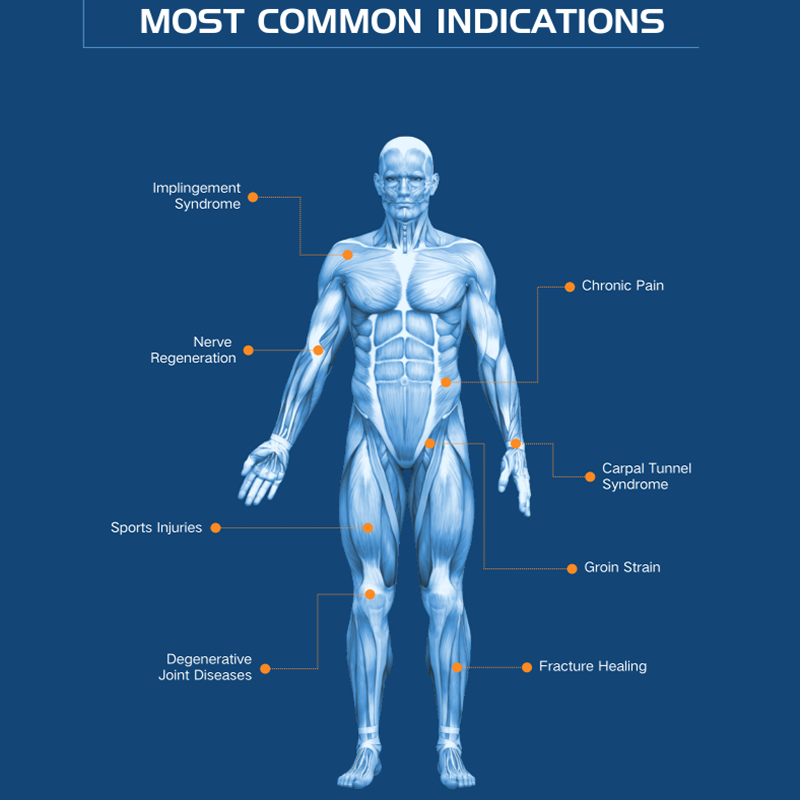
Clinical data strongly supports the use of this modality for bone healing. Studies consistently demonstrate enhanced osteogenesis, which is the process of new bone formation. Orthopedic specialists often prescribe high-intensity devices for stubborn, non-union fractures. These fractures fail to heal under normal conditions. The electromagnetic pulses stimulate osteoblasts, the cells responsible for building bone. Regular treatments can also help improve overall bone density over time.
The technology also offers excellent benefits for pain management and inflammation reduction. The targeted pulses disrupt pain signals traversing the nervous system before they reach your brain. Furthermore, the therapy reduces localized inflammation at the cellular source. Patients suffering from conditions like osteoarthritis often report significant joint relief. The improved blood flow accelerates tissue repair around the damaged cartilage.
Athletes frequently utilize these systems for sports recovery and optimization. Intense workouts flood your muscles with lactic acid and create micro-tears in the tissue. Pulsed fields accelerate the clearance of this lactic acid by dilating blood vessels. Better circulation means faster oxygen delivery to exhausted muscles. Athletes recover much faster between gruelling training sessions.
Despite these benefits, you must carefully manage your expectations. A common mistake is treating this technology as a standalone, overnight cure. It is a highly effective complementary therapy. You need sustained, consistent use over weeks or even months to see chronic tissue changes. Acute pain might subside quickly, but true cellular regeneration requires dedication to the treatment protocol.
The market generally splits into two main categories: clinical and at-home systems. Clinical systems deliver high-intensity, localized relief. Physicians, chiropractors, and physiotherapists operate these powerful machines in professional settings. Conversely, at-home systems focus on low-to-medium intensity. They usually come in the form of full-body mats or smaller localized pads. You can safely use these mats for daily maintenance, sleep optimization, and generalized wellness.
You must evaluate devices based on three key technical dimensions. First, look at the intensity, measured in Gauss or Microtesla. Higher intensity allows the magnetic field to push deeper into dense tissues like bone. Second, verify the frequency range, measured in Hertz (Hz). Low frequencies promote deep relaxation and cellular healing. Higher frequencies stimulate the nervous system and energize the body. Third, consider the waveform. Manufacturers utilize Sine, Square, or Sawtooth shapes. Each waveform interacts with cellular membranes differently.
Evaluation Parameter | Standard Measurement Unit | Primary Clinical Function |
|---|---|---|
Intensity | Gauss / Microtesla | Determines the penetration depth into dense tissues. |
Frequency | Hertz (Hz) | Dictates the specific biological response (e.g., healing vs. stimulation). |
Waveform | Shape (Sine, Square, Sawtooth) | Influences the suddenness of the pulse and cellular uptake. |
Pricing varies significantly across these tiers. Entry-level consumer mats might cost a few hundred dollars. Professional-grade clinical machines often cost thousands. When weighing cost against value, calculate your personal return on investment based on health outcomes. Consider the money you currently spend on ongoing chronic pain management, specialized massages, or recurring physical therapy. A high-quality, durable home system often offsets these long-term expenses. Do not overpay for advanced programming features if you only need basic pain relief.
Regulatory compliance is your absolute first filter. Always look for FDA registration, European CE marks, or ISO manufacturing certifications. These critical markers prove the company adheres to strict medical manufacturing standards. Avoid companies making unverified curative claims. Reliable manufacturers stay well within proven diagnostic boundaries. They will never claim to instantly cure complex diseases.
Technical transparency separates the trustworthy brands from the marketers. A credible PEMF Magnetic Therapy supplier always publishes exact specifications. They clearly list their maximum Gauss output, frequency ranges, and specific waveforms. They do not hide their technology behind proprietary buzzwords or secret formulas. If a company refuses to provide technical data sheets, you should look elsewhere.
Always evaluate post-sale support and warranty structures. Even the best machines occasionally need repairs. Check the length of the warranty on both the internal generator and the external applicators. See if they offer user onboarding, clinical training materials, or accessible customer service. A strong repair infrastructure ensures your machine will not become a useless paperweight if a cable breaks.
Use this logical 3-step shortlisting checklist before you buy:
Verify all medical claims and official regulatory certifications.
Match the device's technical specifications directly to your primary health use-case.
Audit the trial periods, return policies, and restocking fees thoroughly.
Buying a high-quality device is only the first step. The most common reason users fail to see results is inconsistency. Improper protocol adherence ruins clinical outcomes. Many people abandon their routines after just one week if their chronic pain does not vanish. You must commit to regular, consistent sessions. Treat the modality like physical exercise; it requires routine application to build cellular resilience.
Safety always comes first. While generally safe for most people, certain individuals must absolutely avoid this technology. Known contraindications are non-negotiable. Do not use these devices if you fall into the following categories:
Individuals with implanted pacemakers or active defibrillators.
Anyone with other active electronic implants (e.g., cochlear implants, intrathecal pumps).
Organ transplant recipients actively taking immunosuppressant medications.
Individuals experiencing active internal or external bleeding.
Most regular users tolerate treatments perfectly well. However, mild side effects occasionally happen, especially during the first few days. You might feel a slight tingle in the treated area due to increased blood flow. Some users experience temporary fatigue or mild headaches. Practitioners often refer to this as a slight detox effect or Herxheimer reaction. The stimulation forces cells to expel built-up waste products into the bloodstream. These reactions are temporary and harmless. Always stay highly hydrated before and after your sessions to help flush these toxins out of your body.
We can confidently state that this technology is a valid, scientifically grounded modality. It relies on verifiable electromagnetic principles, not marketing magic. When you apply it correctly using the right hardware, it delivers substantial results. It actively supports bone healing, reduces chronic inflammation, and accelerates muscle recovery.
You are now equipped to navigate this market safely. First, audit your specific health requirements against the intensity and frequency parameters we discussed. Second, consult your physician to ensure the therapy suits your current medical condition. Finally, contact a shortlisted supplier and request their technical specification sheets. Start your journey toward improved cellular health today by demanding transparency and scientific evidence.
A: Yes, it is highly safe for daily use. Low-intensity and low-frequency devices are specifically designed for regular, at-home application. Many individuals use full-body mats every day to manage chronic pain, reduce stress, and improve sleep quality. Always follow the manufacturer guidelines and start with shorter sessions to see how your body responds.
A: Timelines vary based on your specific condition. You might feel acute pain relief or notice improved sleep after just a few sessions. However, chronic cellular repair takes much longer. Deep tissue regeneration and bone healing require consistent, daily use over several weeks or even months. Patience and protocol adherence are essential.
A: In most cases, yes. Passive metal implants like titanium screws, joint replacements, or dental hardware are perfectly safe. These non-magnetic metals do not heat up under low-frequency fields. However, you must never use the therapy if you have active electronic implants, such as pacemakers, as the magnetic fields can disrupt their circuitry.
A: Insurance coverage is typically quite limited. Providers usually only reimburse for highly specific, FDA-cleared clinical indications. The most common covered scenario involves prescribed bone growth stimulators for non-union fractures. General wellness use, sports recovery, or consumer at-home mats are almost never covered. You will usually need to pay out-of-pocket for these applications.


